“This training session went very well, was of good quality and very useful. A discovery for me, as I am not familiar with this tool. Well done!”
(translated from French)
Maryse
Participant in an AI training session, CPME Réunion
Talks and workshops
Real situations to understand the uses, limitations and decisions that AI changes.
First conversation: 30 minutes, by video or by phone, free and without commitment. Reply within 48 business hours.









45 to 60 minutes, then a discussion. To frame the issues and open the conversation.
Custom quote, from €1,500 per day excl. VAT, depending on context and preparation.
A multi-voice exchange, starting from a work question already on the table.
Custom quote, from €1,500 per day excl. VAT, depending on context and preparation.
2 to 3 hours on your cases. To work through uses and decisions with the team.
Custom quote, from €1,500 per day excl. VAT, depending on context and preparation.
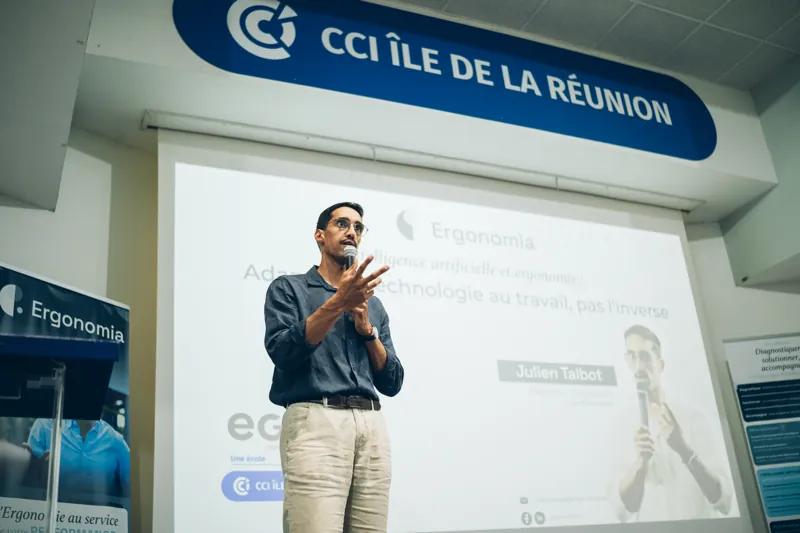
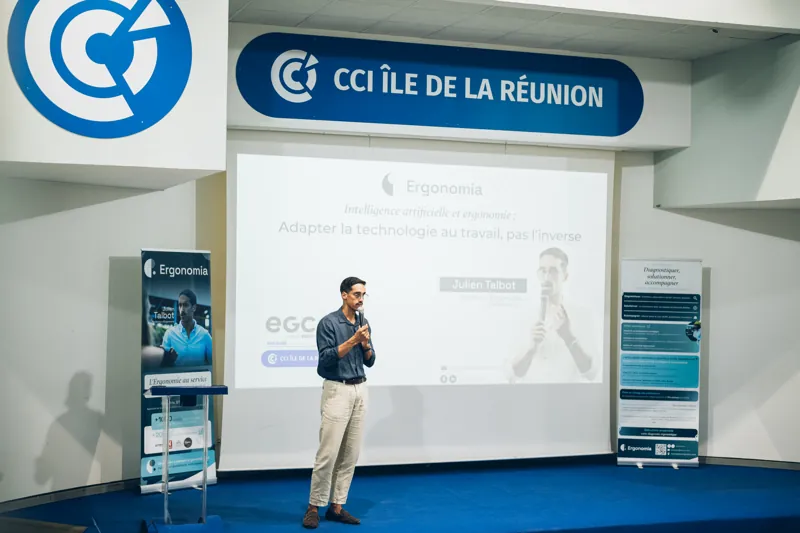
Each talk starts from the room’s question. CCI Île de La Réunion, 4 April 2025.
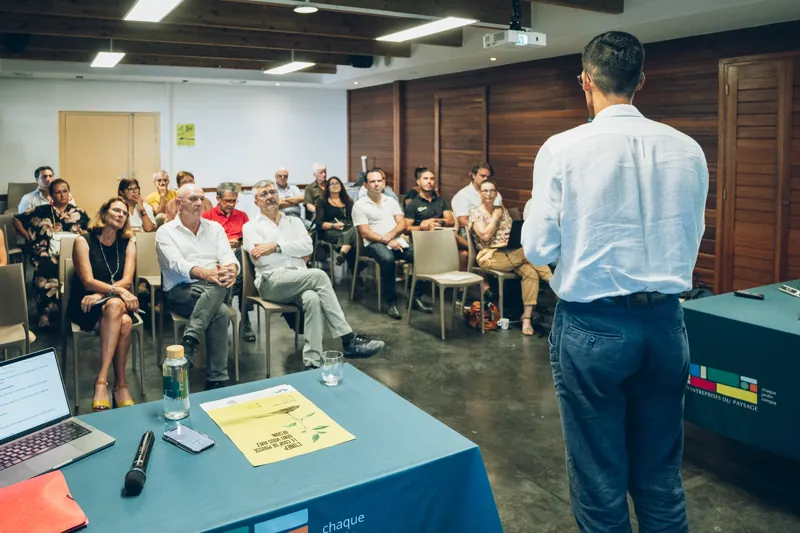
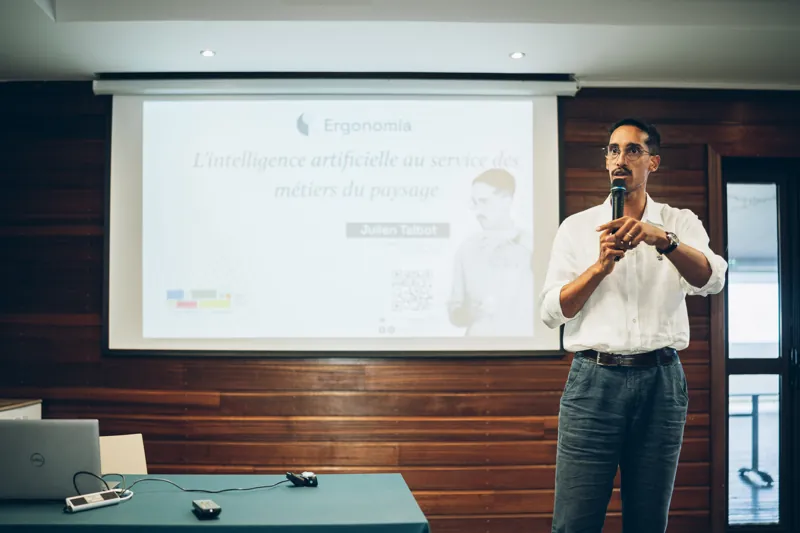
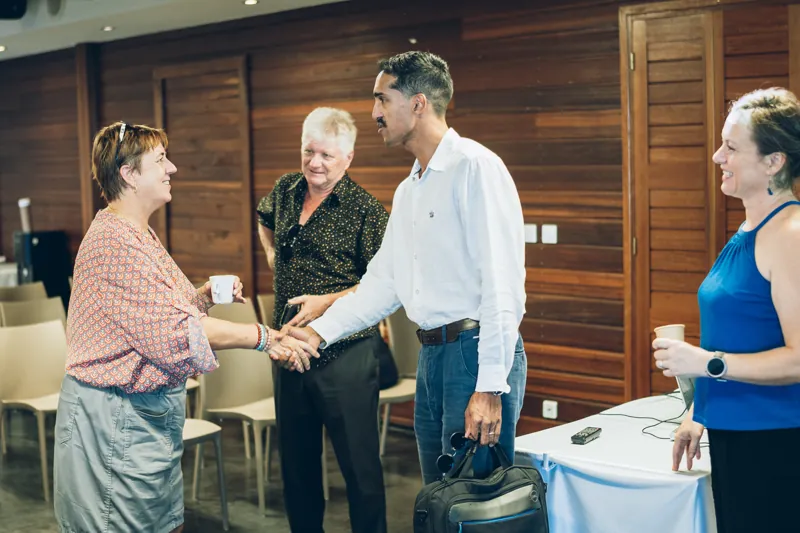
UNEP, 28 March 2025. AI in landscaping companies.
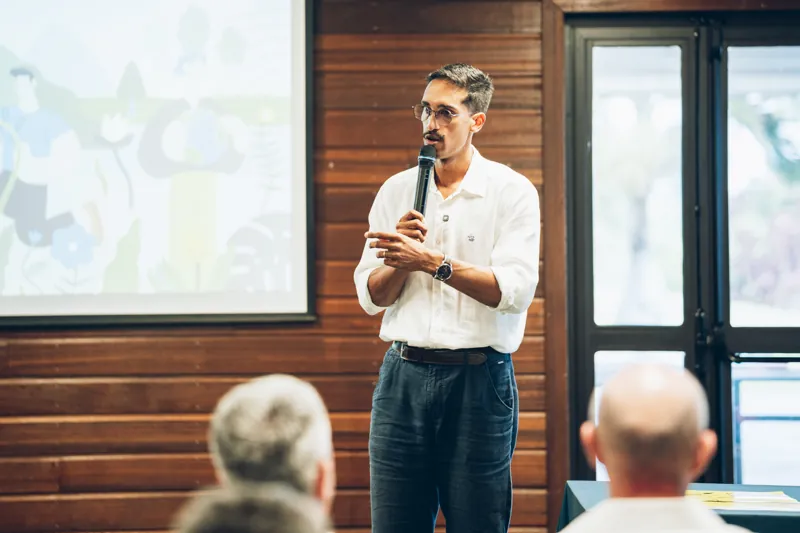 UNEP · 28 March 2025
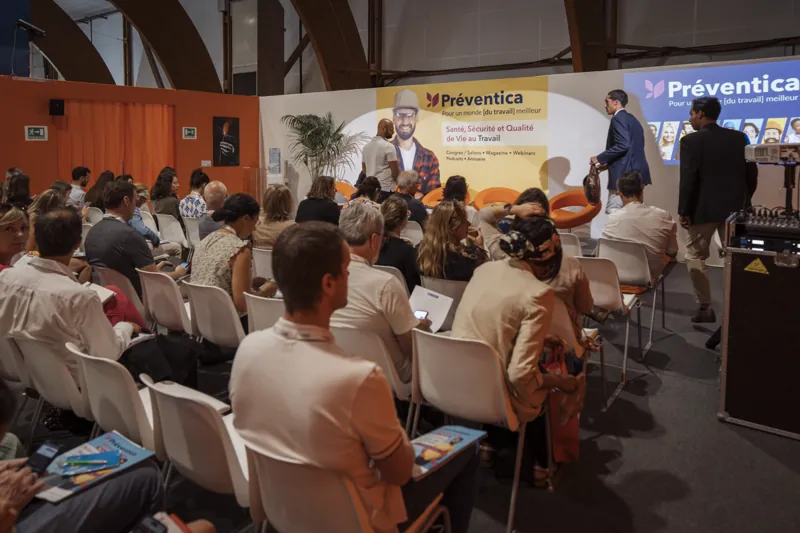
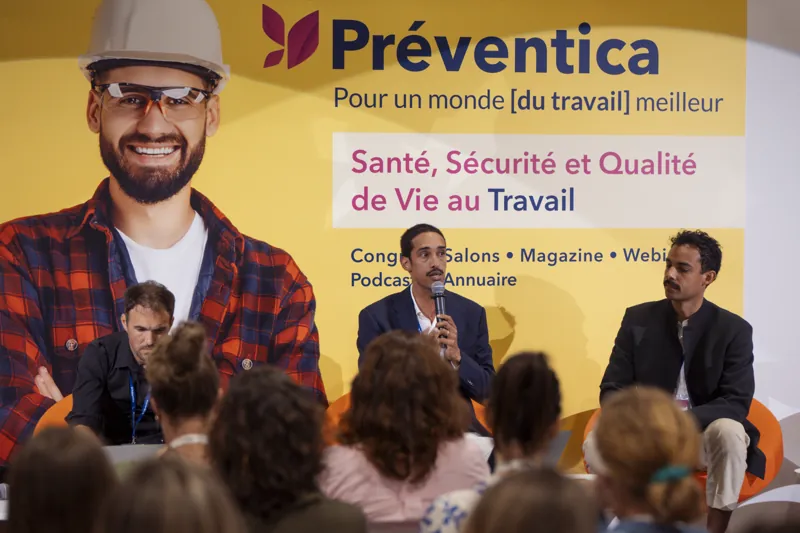
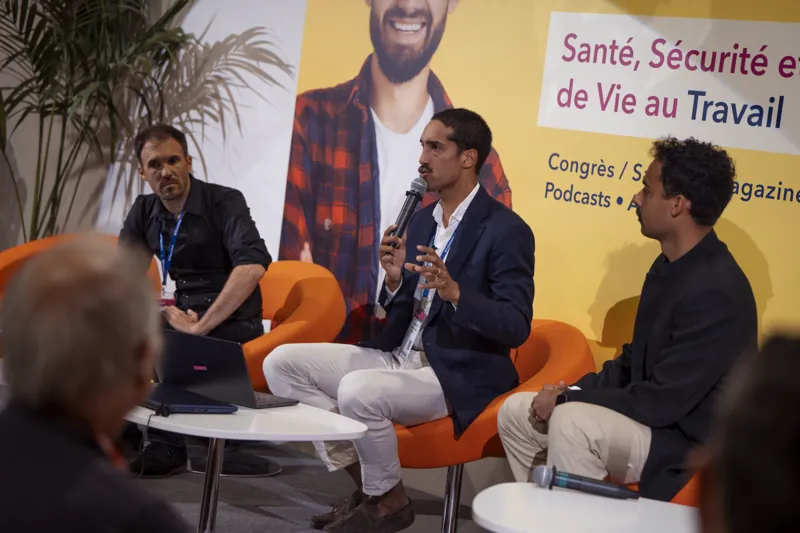
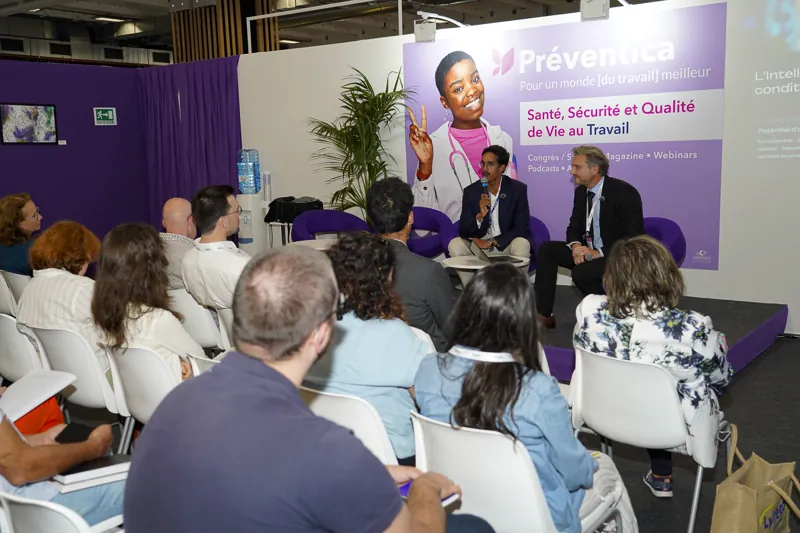
The subject is agreed with the organiser before the day. Préventica Rennes, 18 June 2026.
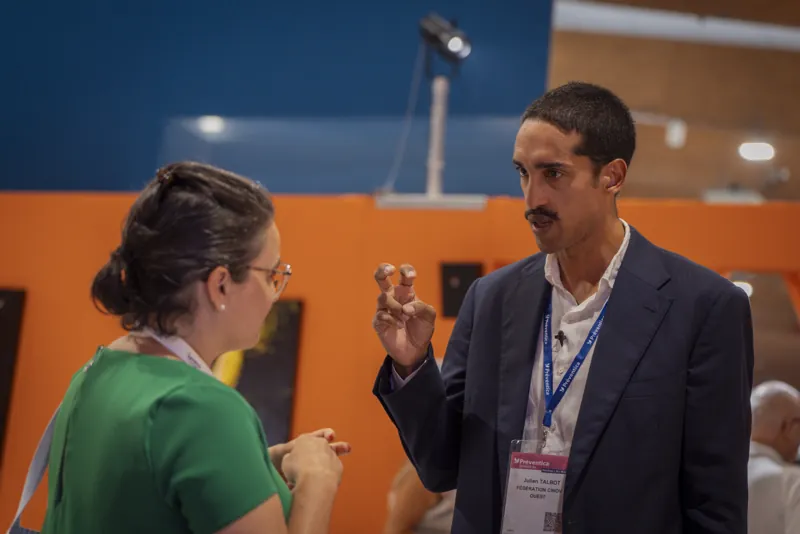
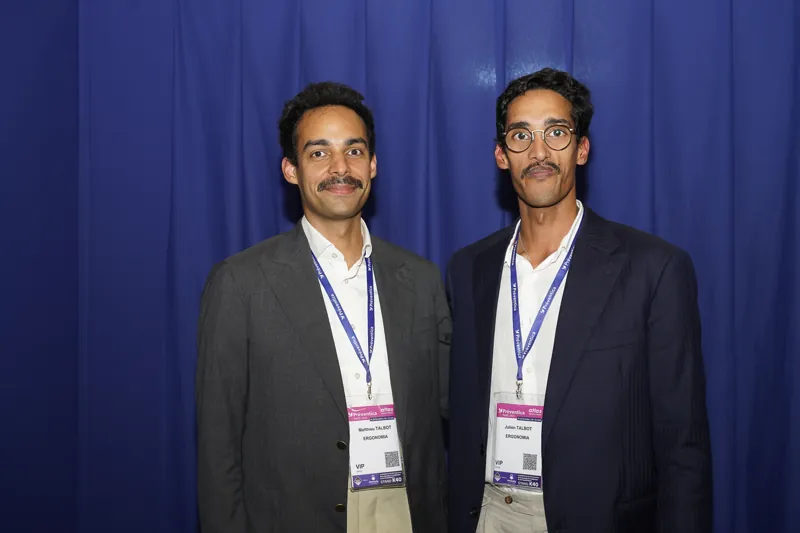
CINOV Ergonomie invited me to Préventica Paris in 2025, then to Préventica Rennes in 2026.
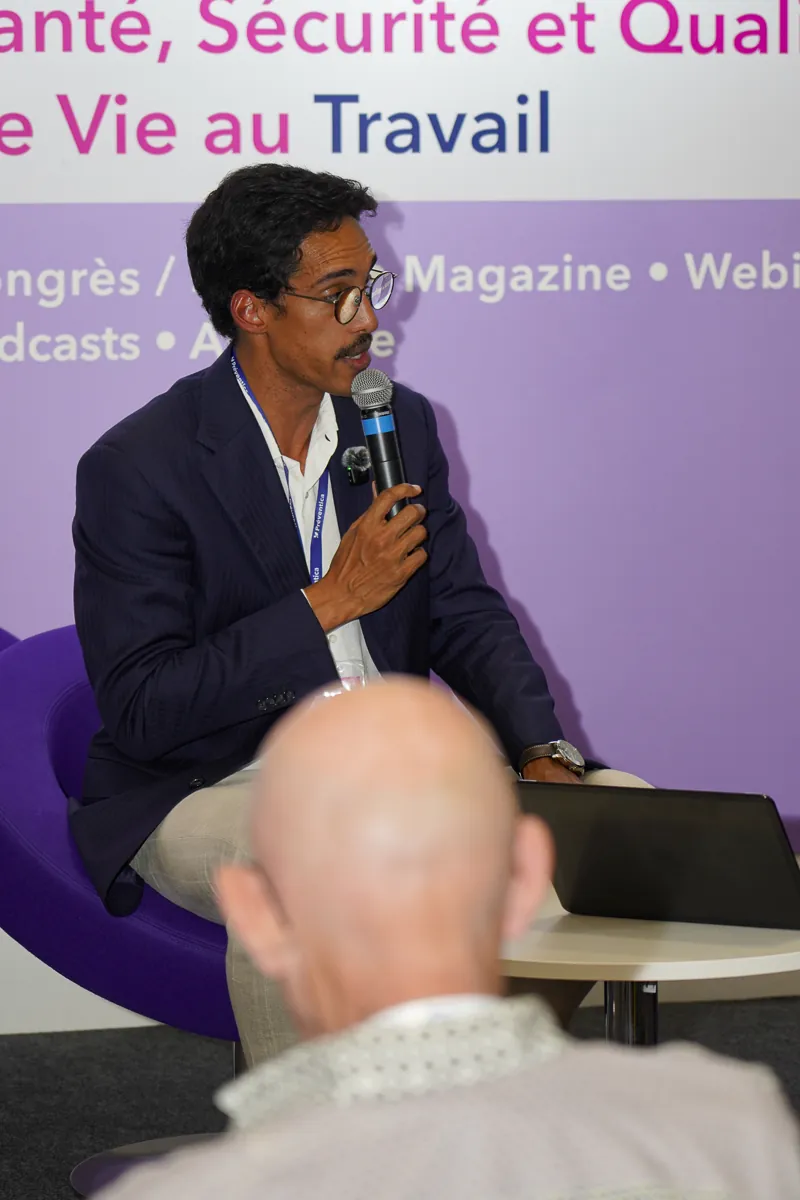
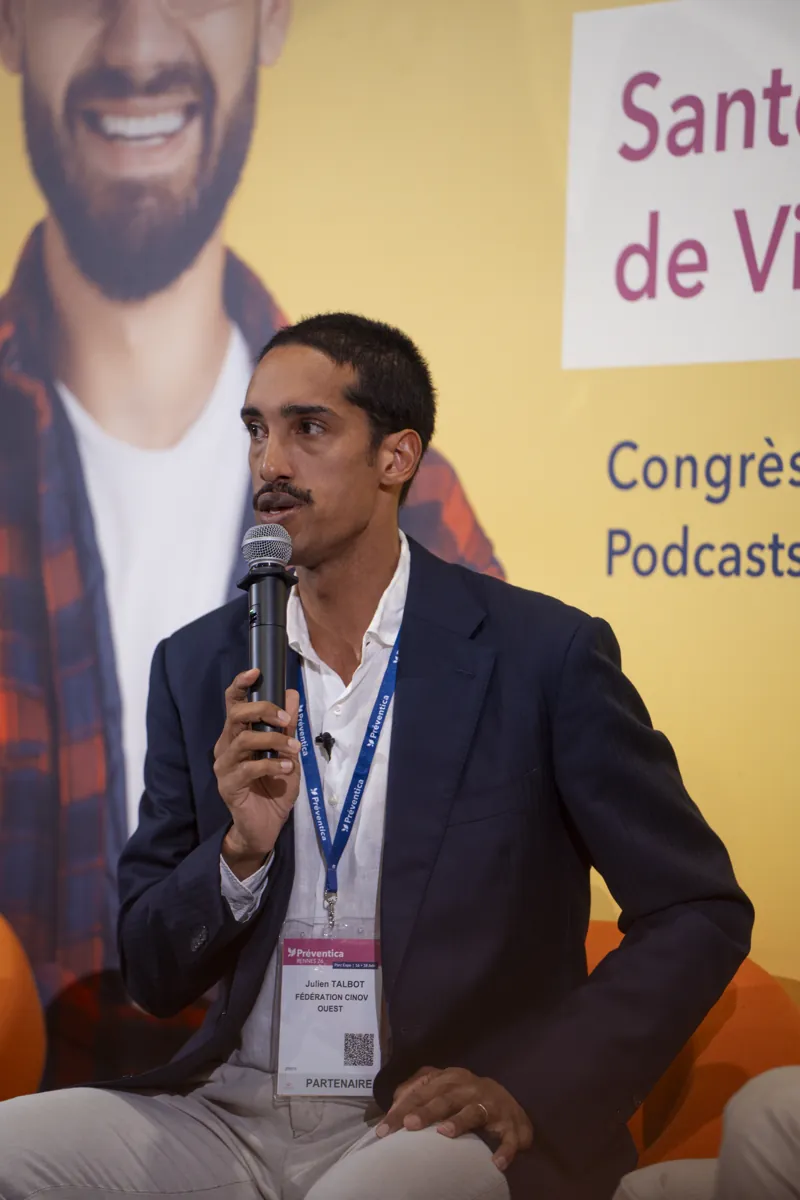
23 October 2025 · AI and engineering: what delegation changes
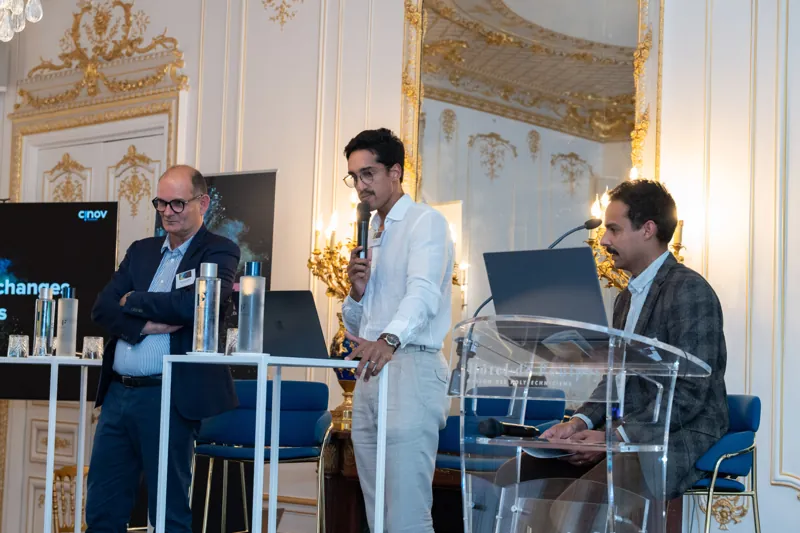
Executives, agricultural community: two audiences already met, with their organisers.
Audience, question, venue and date are agreed first. The quote follows that context.
Préventica Rennes, 18 June 2026, in the morning. The next date is set the same way: a first conversation.
“This training session went very well, was of good quality and very useful. A discovery for me, as I am not familiar with this tool. Well done!”
(translated from French)
Maryse
Participant in an AI training session, CPME Réunion
45 to 60 minutes, then a discussion. To frame the issues and open the conversation.
Quoted
A multi-voice exchange, starting from a work question already on the table.
Quoted
2 to 3 hours on your cases. To work through uses and decisions with the team.
Quoted
Radio or press, on AI at work.
No fee for journalists
Discussing AI from real landscaping work: concrete uses, limits, and decisions that stay human. Follow-up workshop with UNEP Outre-mer members.
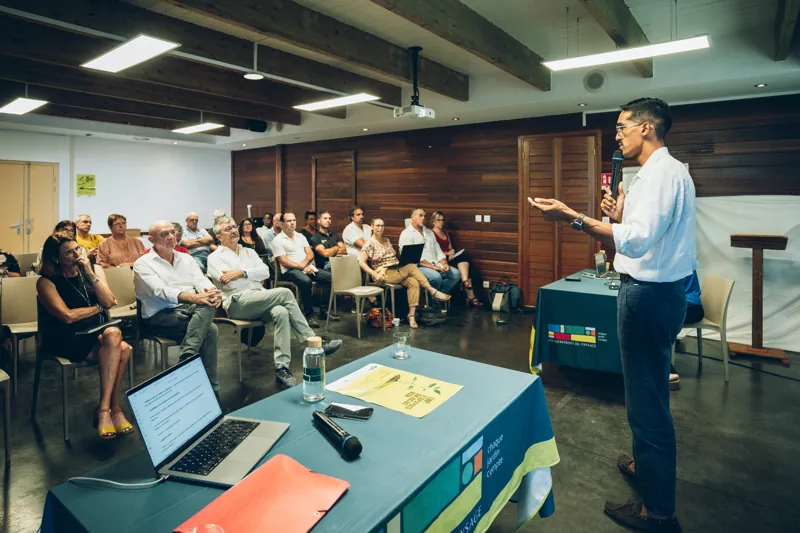
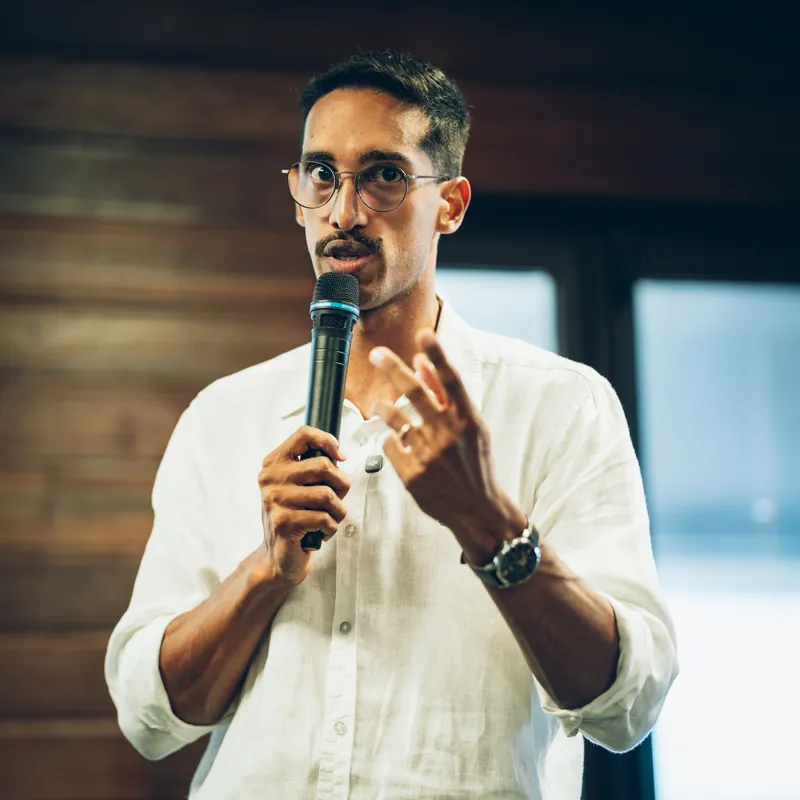
Activity ergonomics and AI: from principles to practice. A shared language for deciding without hype — who verifies, who recovers control.
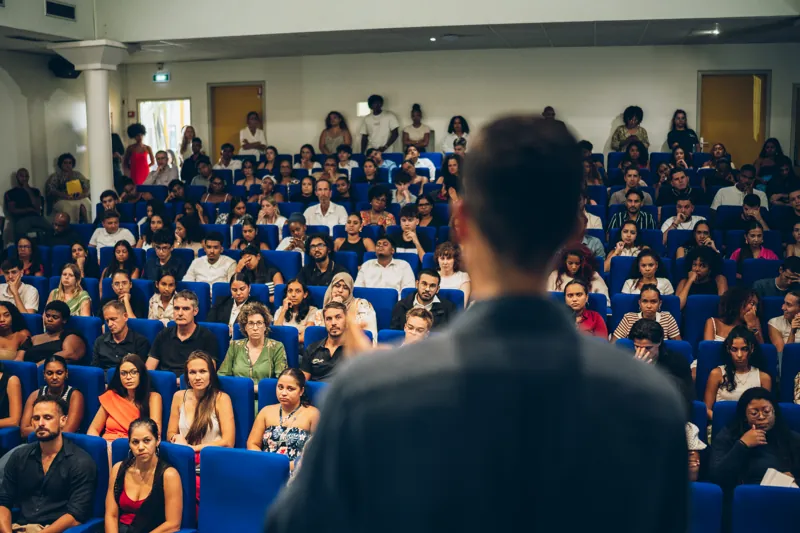
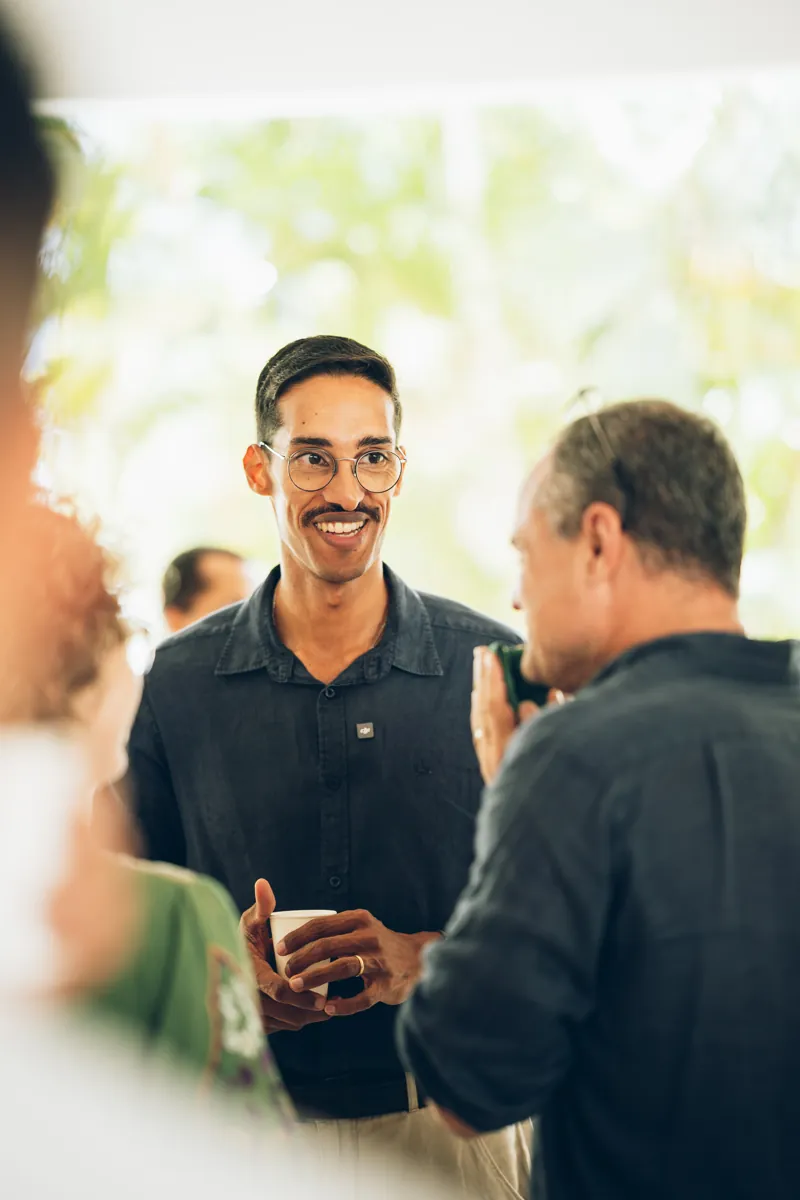
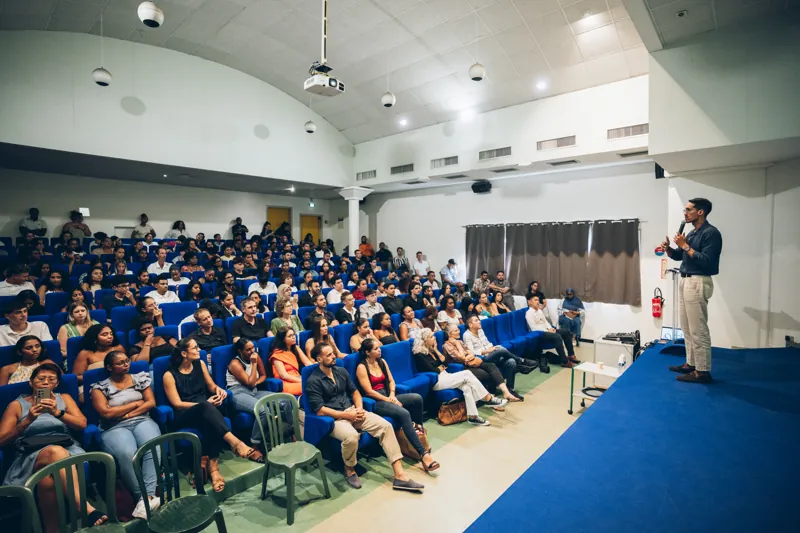
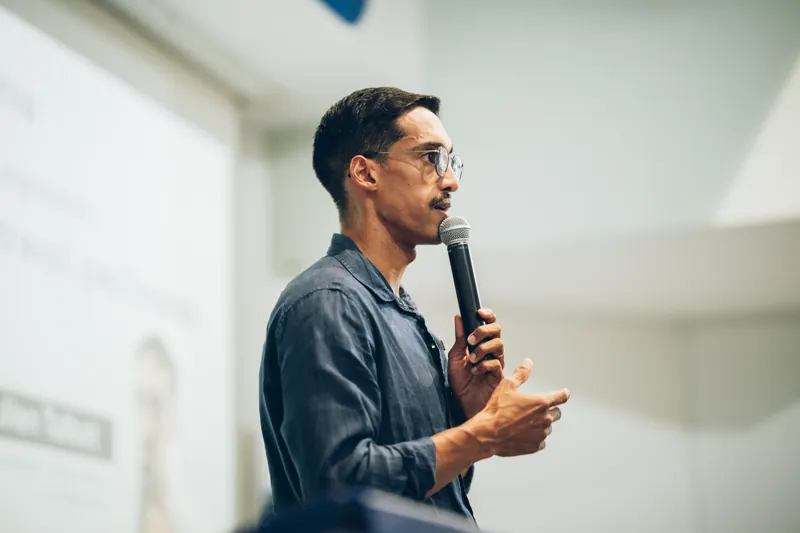
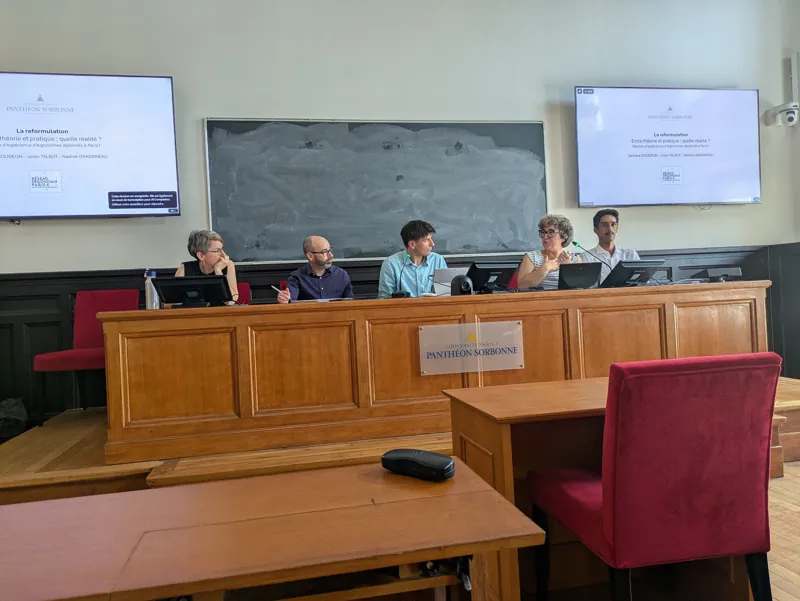
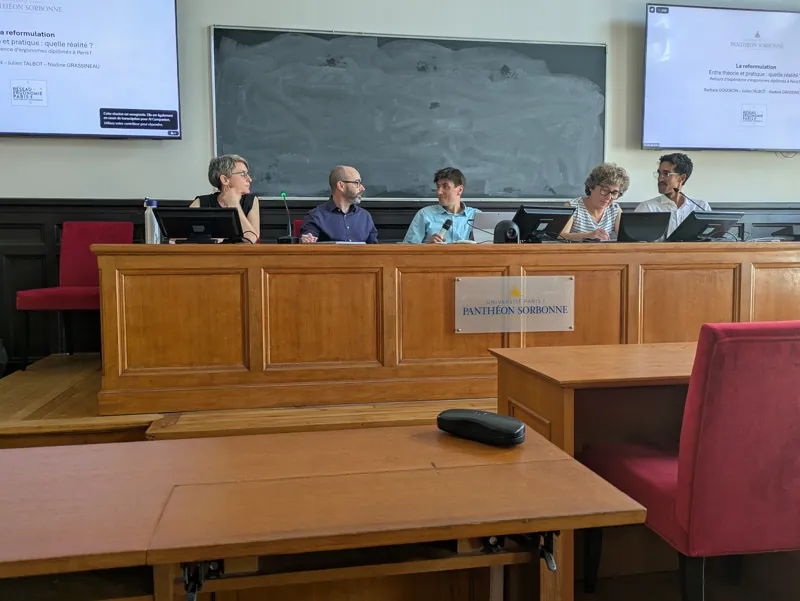
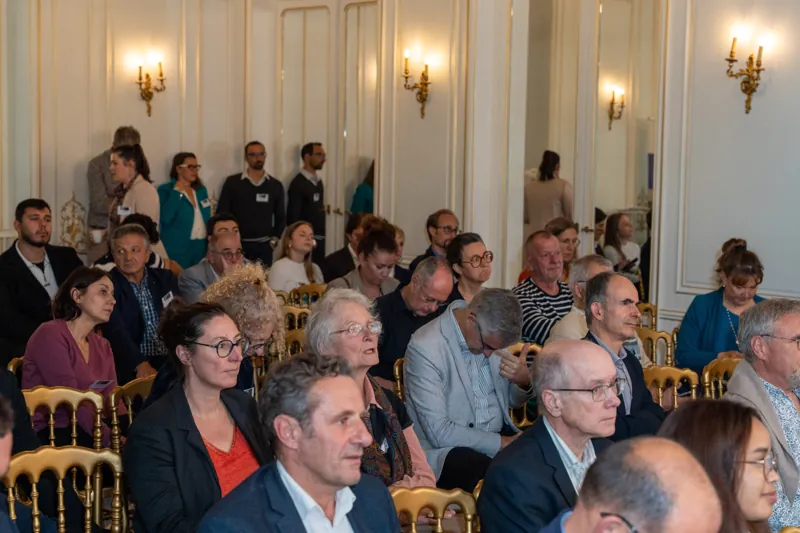
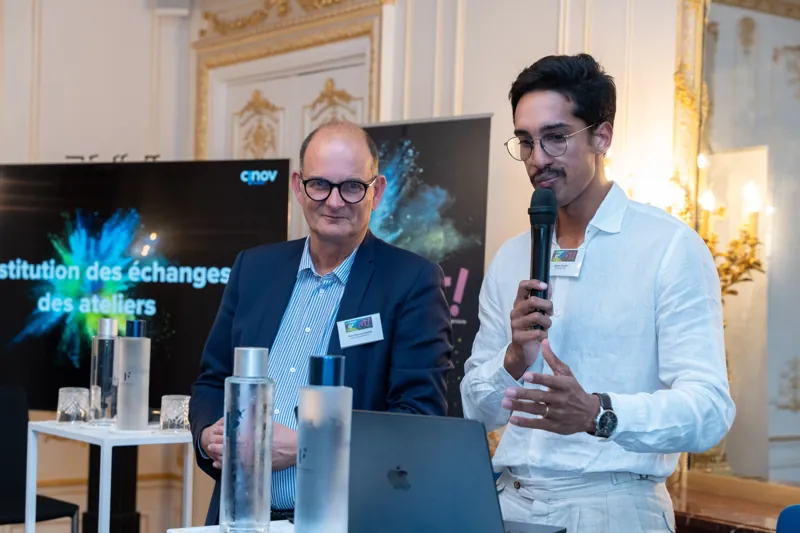
Opening session of the Paris 1 seminar: observe real activity before transforming it — method, prescribed-versus-real gaps, recovery conditions.
Panel exchanges are not published.
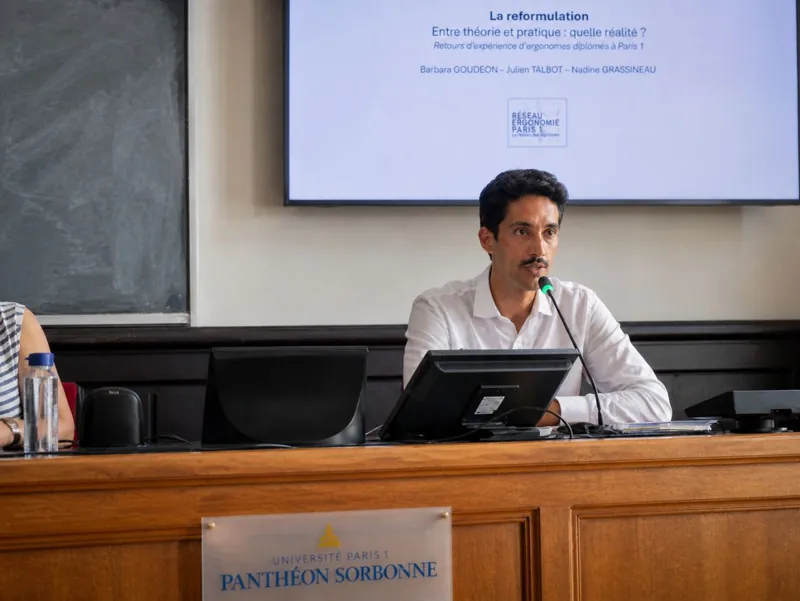
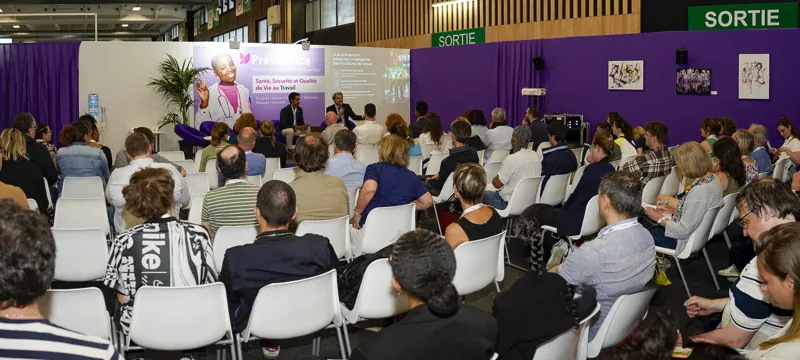
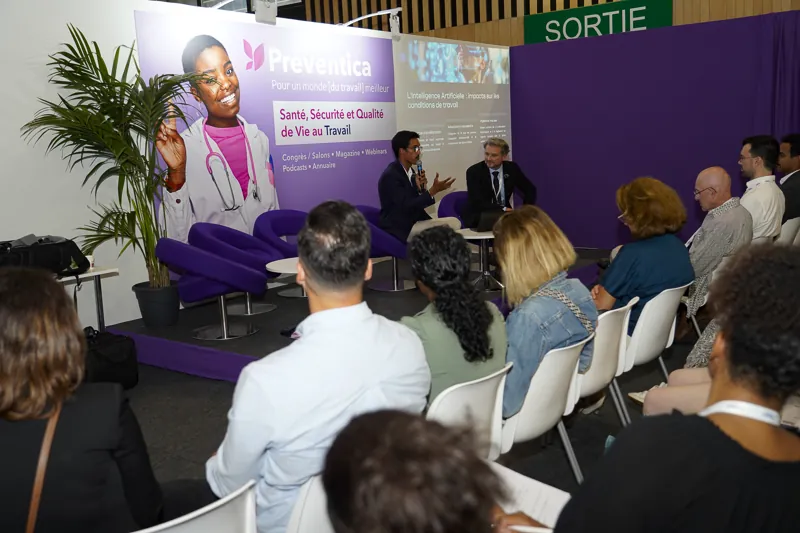
For CINOV Ergonomie: what AI shifts in workload, vigilance, and room for maneuver — and what prevention needs to make visible.
Delegating to AI tools in engineering work: real supervision, responsibility, and evidence. Workshops with debrief.
Morning show “On en parle”, 8–10 a.m., hosted by Robin Grimaldi. A studio conversation on AI at work (jobs, physical strain, stress), with listener calls. Julien was a guest as an ergonomist and manager of Ergonomia, with an occupational psychologist and Stéphane Masson (founder of a Réunion AI startup).
Useful, bounded, supervisable agents: what tech teams can demand before delegating.
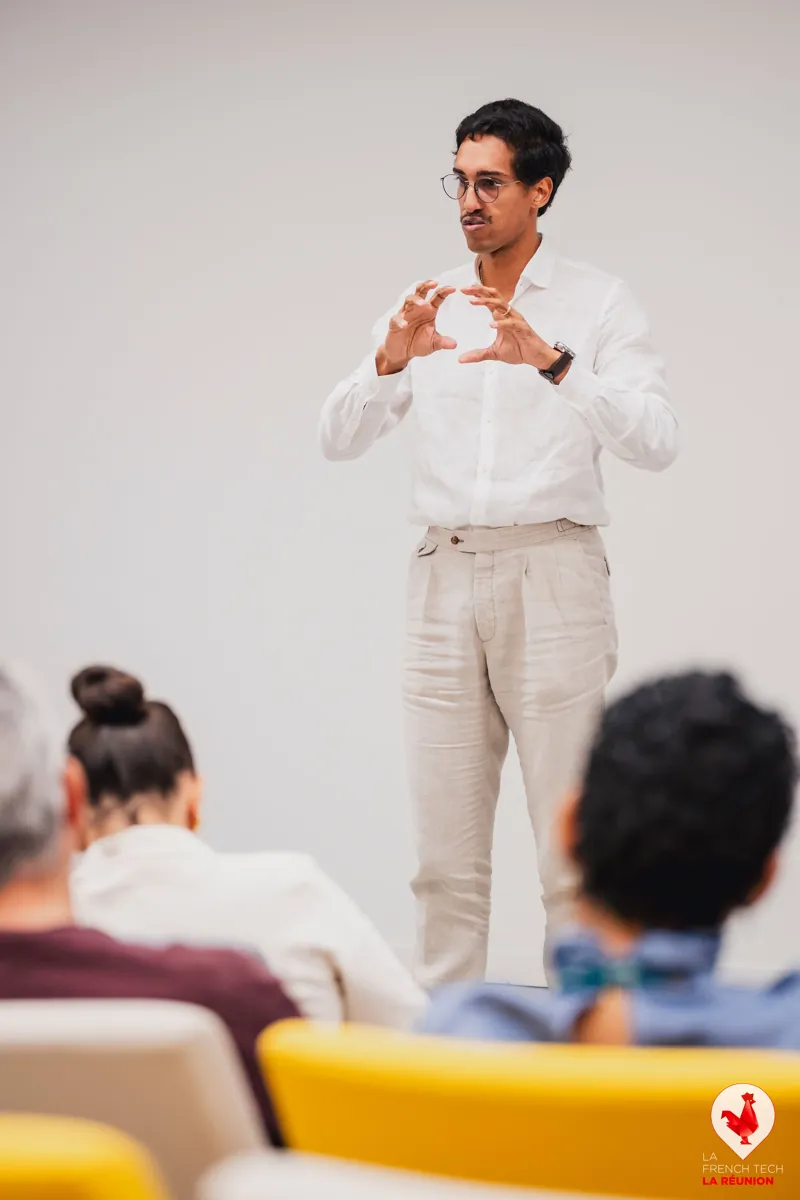
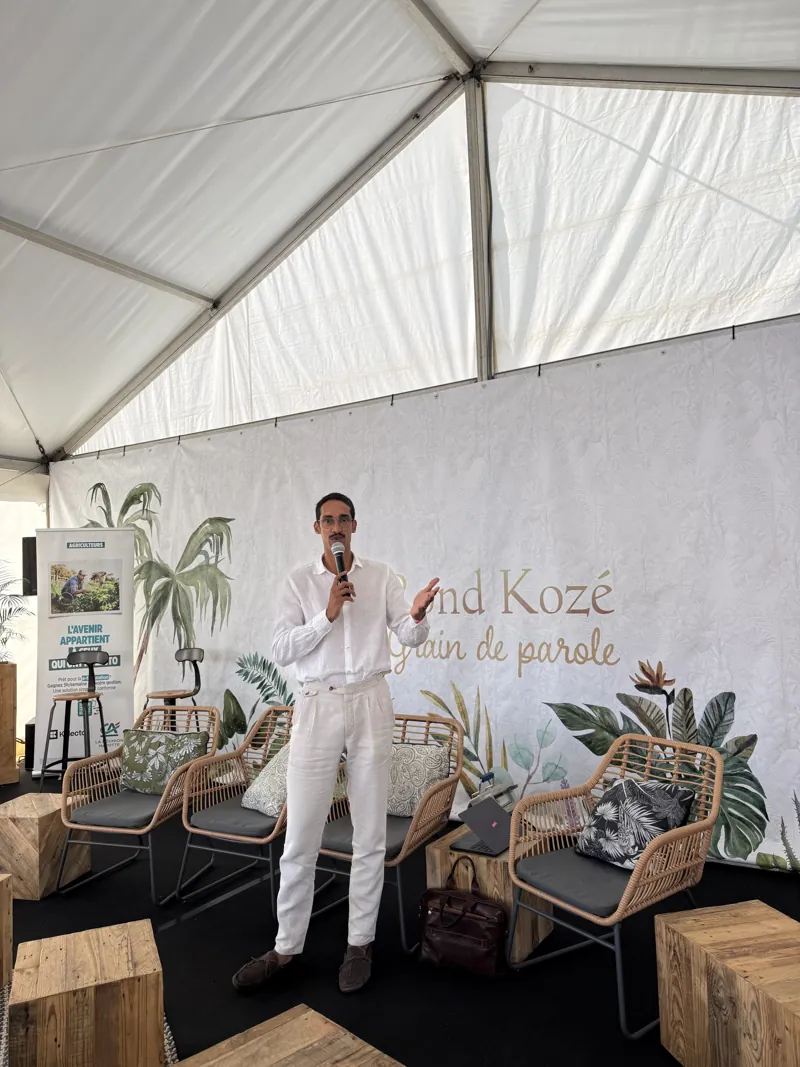
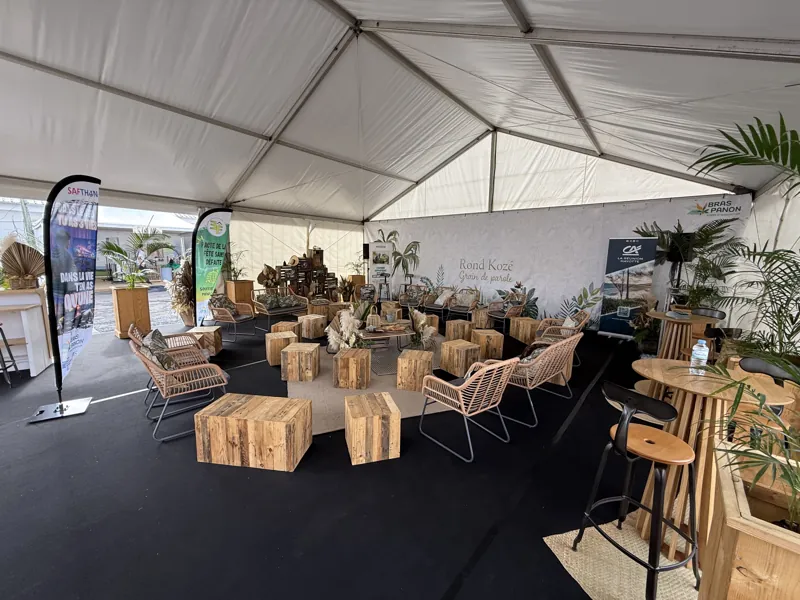
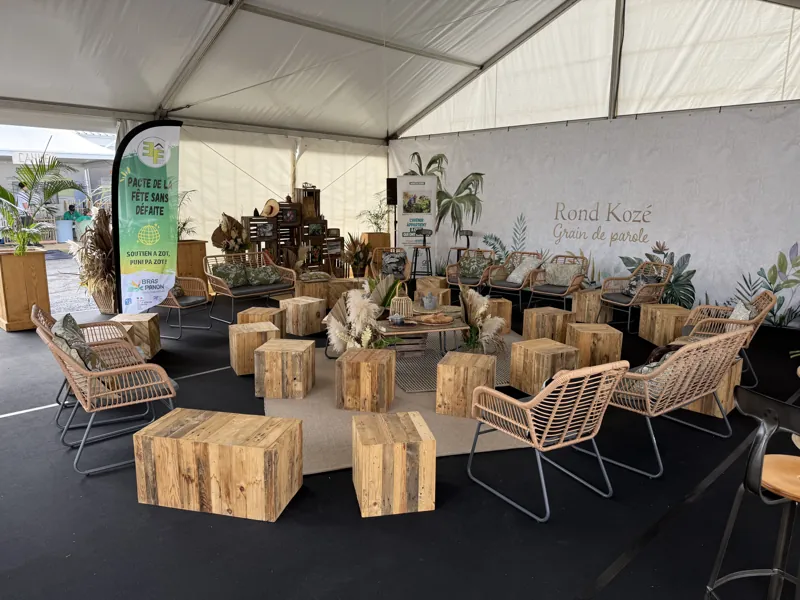
Talking about AI at agricultural activity level: where it can help, what it displaces, what stays with the trade. Rond Kozé / Grain de parole stage.
Article by Bernard Grollier. Julien is interviewed in it.
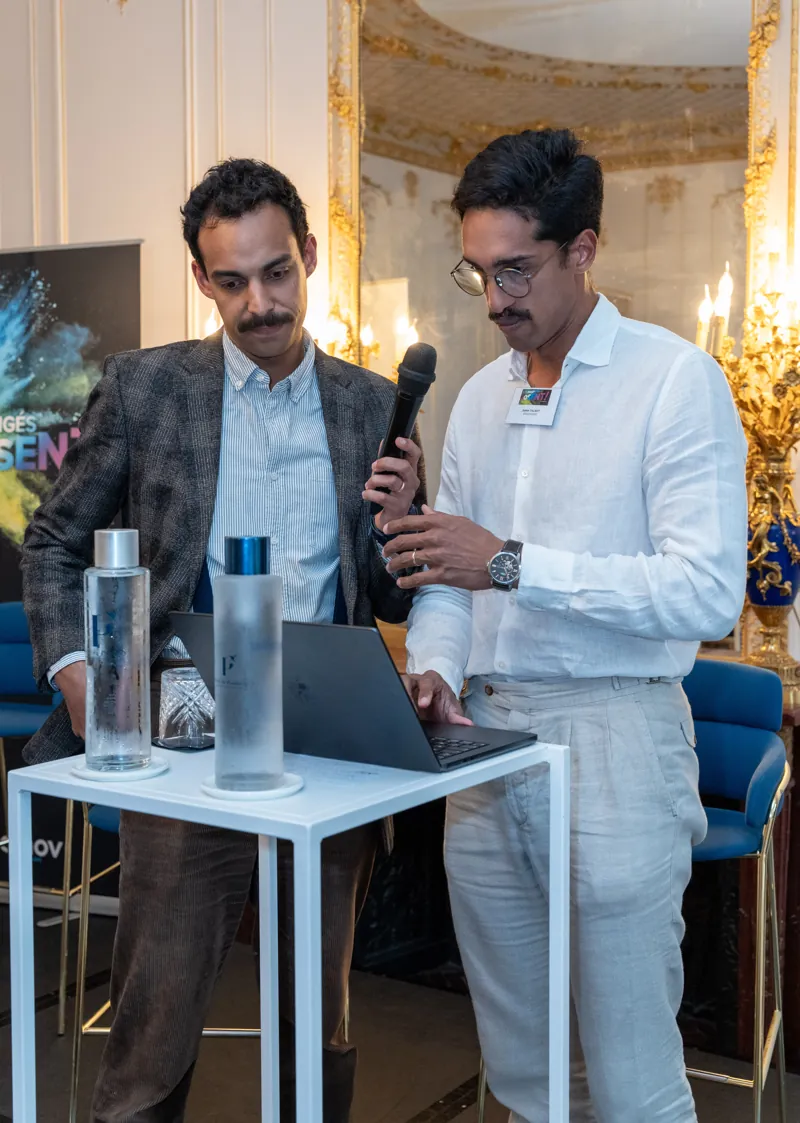
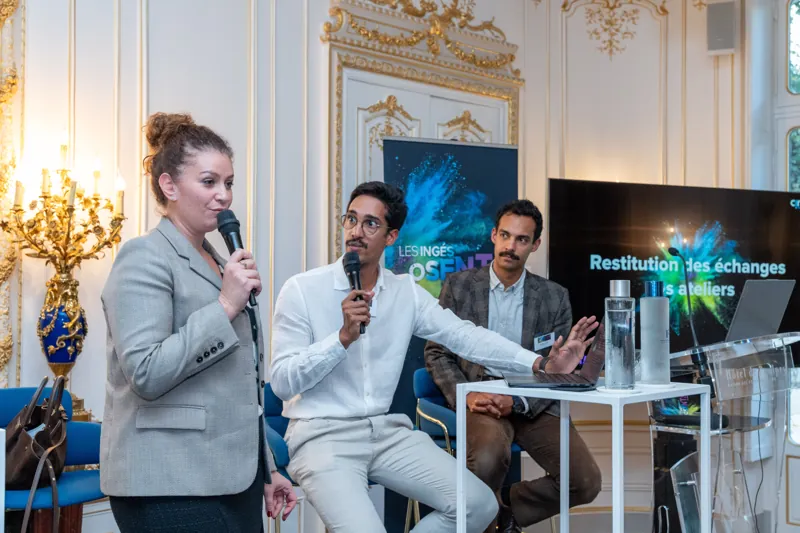
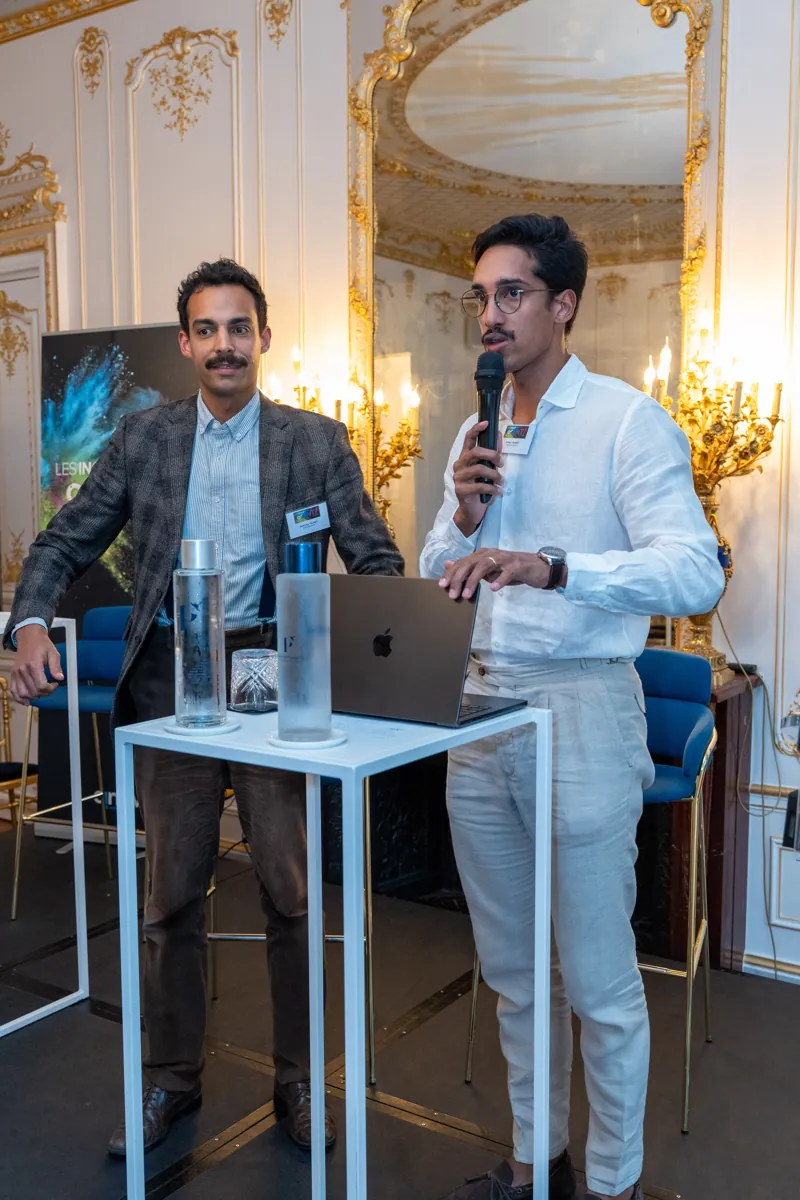
With CINOV Ergonomie (CINOV Ouest slot): how AI shifts workload, vigilance, responsibility, and meaning when it automates the visible part of activity. Co-hosted with Alexandre Normand and Matthieu Talbot.